What is OT Product Security?
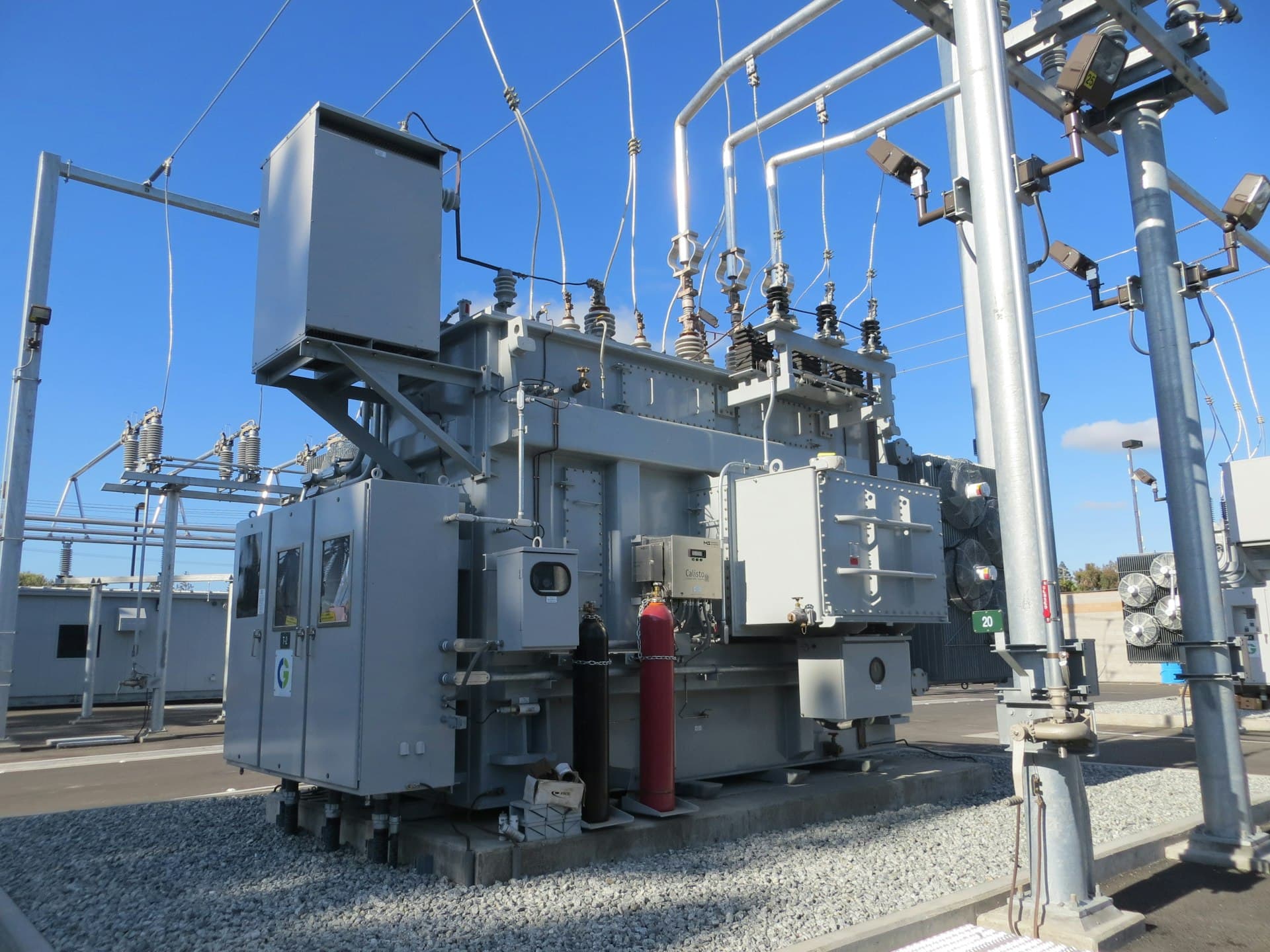
OT product security is the practice of ensuring that the devices and software going into an industrial environment, the controllers, sensors, gateways, HMIs, and applications, are built to be secure in the first place. It is distinct from the work of securing an environment after the fact. Where network segmentation, monitoring, and access control defend systems already in place, product security addresses the question of what those systems are capable of, and how much risk they carry, before they are ever installed.
This matters because the security posture of an industrial environment is shaped at the moment of purchase. A device with hardcoded credentials, an unauthenticated update mechanism, or insecure default settings imports weakness into the plant that no amount of downstream configuration can fully remove. Conversely, a device built to modern security standards arrives with protections that make the operator's job far easier for its entire service life, which can span decades.
The encouraging reality is that the buyer holds significant power here. Vendors respond to what their customers require, and an operator who makes security a condition of purchase changes what arrives on the plant floor.
The Rise of Secure by Design
The industry has been moving decisively toward the principle of secure by design, which holds that the responsibility for a product's security belongs primarily with its manufacturer, not with the customer left to compensate for weak defaults. Initiatives such as CISA's Secure by Design have pressed manufacturers to build security in from the start, ship safe default configurations, and treat security as a core property of the product rather than an optional add-on.
For OT buyers, this shift is an opportunity. It provides both a rationale and a growing body of expectation to point to when specifying what a product must do. The question is no longer whether it is reasonable to demand secure products, but simply which specific security properties to require.
The Standards That Define a Secure Product
Two parts of the IEC 62443 series address product security directly, and together they give buyers a precise, internationally recognized vocabulary for what a secure OT product looks like.
IEC 62443-4-1 defines the requirements for a secure product development lifecycle. It addresses how a product is designed, built, tested, and maintained, covering practices such as threat modeling, secure coding, security testing, and the handling of vulnerabilities after release. A vendor that conforms to 4-1 has a disciplined process for producing secure products, rather than treating security as an afterthought.
IEC 62443-4-2 defines the technical security requirements for the components themselves. It specifies the security capabilities a device should provide, mapped to the same foundational requirements and security levels used elsewhere in the standard, including identification and authentication, use control, system integrity, and resource availability.
Conformance to these standards can be independently certified, for example through the ISASecure certification scheme, which allows a buyer to look for evidence of security rather than taking a vendor's word for it.
Procurement implication: Requiring conformance to IEC 62443-4-1 and 4-2, and favoring independently certified products, shifts security upstream to where it is most effective and gives the buyer objective criteria to evaluate rather than marketing claims.
What to Demand from Vendors
Beyond broad standards conformance, a practical buyer's checklist focuses on the specific capabilities and commitments that matter most over a device's long life.
- No hardcoded or default credentials. The product should require credentials to be set on deployment and should never contain built-in accounts that cannot be changed.
- Secure, signed firmware updates. The device should verify the authenticity and integrity of firmware before installing it, so that only legitimate updates from the vendor can be applied.
- A software bill of materials (SBOM). The vendor should provide an inventory of the components inside the product, so the operator can quickly determine whether a newly disclosed vulnerability applies.
- Secure defaults. The product should arrive in a secure configuration out of the box, with unnecessary services disabled, rather than requiring the customer to harden it.
- Strong authentication and access control. The device should support individual authentication and role-based access appropriate to its function.
- A published vulnerability disclosure process and PSIRT. The vendor should have a product security incident response team and a clear process for reporting, addressing, and communicating vulnerabilities.
- A defined support and update lifecycle. The vendor should commit to providing security updates for a stated support period, and should communicate clearly when a product reaches end of life.
Procurement implication: Each of these is far easier to secure as a purchase condition than to compensate for later. A single procurement cycle that adds these requirements improves the security of every device bought thereafter.
Building Security Into Procurement
Turning these expectations into practice means embedding them where purchasing decisions are actually made.
Write security requirements into specifications and tenders. Make security capabilities and standards conformance explicit evaluation criteria, weighted alongside cost and functionality, so that vendors compete on security as well as price.
Include security terms in contracts. Address update commitments, vulnerability notification obligations, SBOM provision, and support lifecycle in contractual language, so that expectations are enforceable rather than aspirational.
Evaluate before you buy. For significant purchases, assess the security of candidate products directly, or require evidence such as certification and penetration test results, rather than relying on datasheets.
Coordinate with engineering and security together. The people who understand the operational need and the people who understand the security requirements should evaluate products jointly, so that neither functionality nor security is sacrificed.
Common Findings
From Beacon Security's work with industrial operators, the product security gaps most frequently identified include:
- No security requirements in procurement, allowing insecure devices to enter the environment purely on cost and functionality.
- Reliance on vendor claims rather than independent evidence of security.
- Undocumented support lifecycles, leaving operators uncertain when a device will stop receiving updates.
- Missing SBOMs, making vulnerability response slow and uncertain.
- Insecure defaults accepted at installation, where devices are commissioned without changing default credentials or disabling unnecessary services.
Getting Started
Improving product security does not require a wholesale change of suppliers. It begins with the next purchase.
Define a baseline set of requirements. Draw them from IEC 62443-4-2 and the checklist above, and apply them to new procurement immediately.
Prioritize the most consequential devices. Focus the strongest requirements on the equipment that most directly affects the process and safety.
Engage your existing vendors. Ask about their security roadmaps, standards conformance, and support commitments, which often reveals more than any datasheet.
Treat secure defaults as mandatory at commissioning. Ensure that devices are hardened before they go into service.
Every industrial environment is, in the end, a collection of purchased products. By treating security as a condition of purchase rather than a problem to solve afterward, operators shape the security of their environment at the one point where it is easiest and cheapest to get right.
Beacon Security helps industrial operators define product security requirements, evaluate vendor equipment against IEC 62443-4-1 and 4-2, and embed security into procurement. Contact us to strengthen the product security of your OT supply chain.