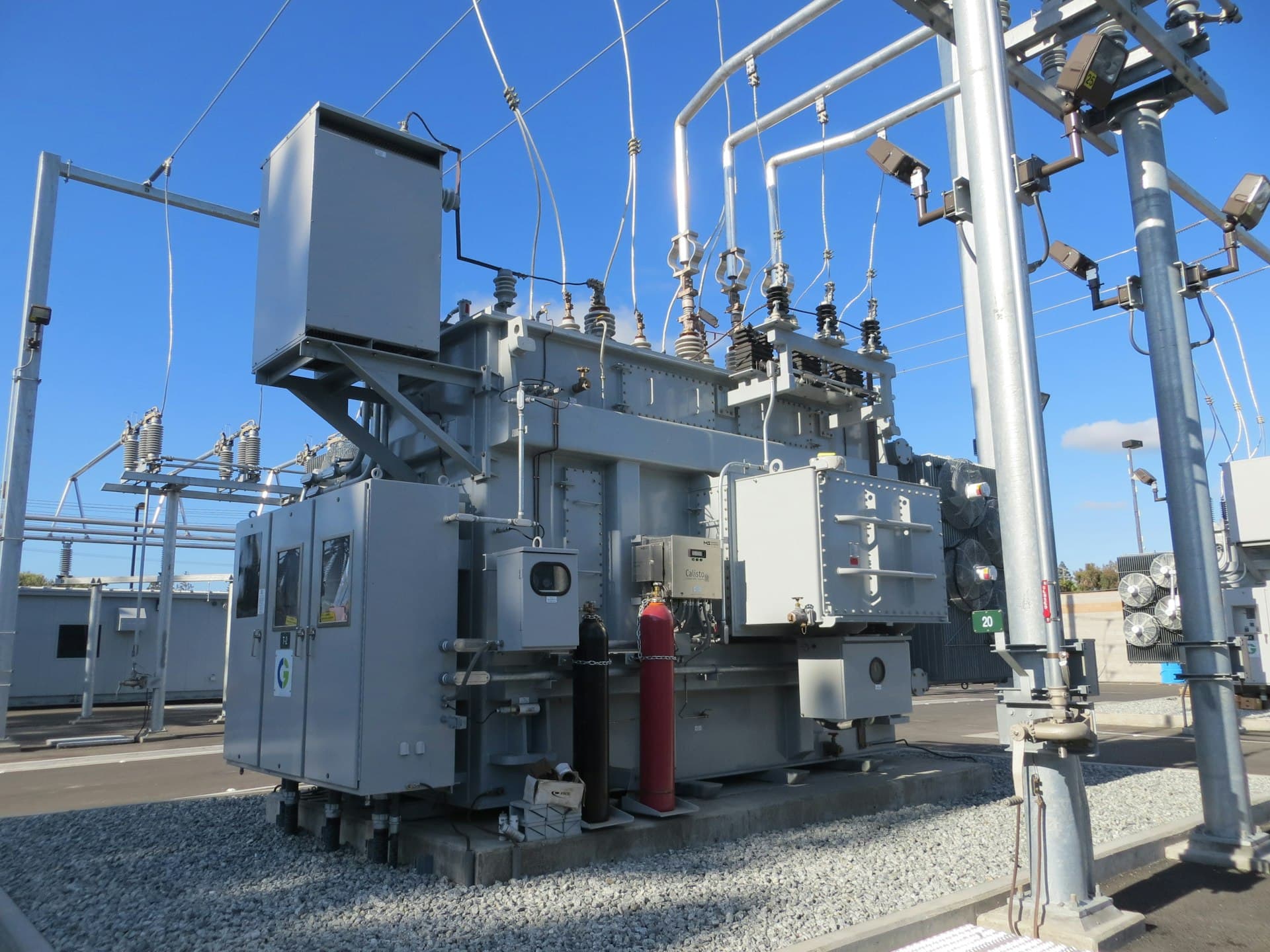
What is OT Cybersecurity?
Operational Technology (OT) cybersecurity focuses on protecting the hardware and software that monitors and controls physical industrial processes. These are the systems that keep power plants generating electricity, oil flowing through pipelines, chemical processes running safely, and manufacturing lines producing goods. They include:
- Programmable Logic Controllers (PLCs) that automate machinery on production lines and execute real-time control logic
- SCADA Systems that provide supervisory control and data acquisition for geographically distributed processes like pipelines and power grids
- Distributed Control Systems (DCS) managing complex continuous processes in refineries, power plants, and chemical facilities
- Safety Instrumented Systems (SIS) providing independent protection layers for hazardous processes, designed to prevent catastrophic failures
Unlike Information Technology (IT) security, which primarily protects data confidentiality and business applications, OT security must protect physical processes where a cybersecurity incident can cause real-world harm to people, the environment, and critical infrastructure.
The Core Difference: Safety and Availability Over Confidentiality
IT security traditionally prioritizes the CIA triad in this order:
- Confidentiality - keeping data secret
- Integrity - ensuring data accuracy
- Availability - ensuring systems are accessible
For OT environments, the priorities are inverted:
- Safety - protecting people and the environment from physical harm
- Availability - continuous uptime is non-negotiable in most industrial operations
- Integrity - process parameters and control commands must be accurate and trustworthy
- Confidentiality - important for intellectual property and process data, but secondary to the above
This priority reversal has profound implications for how security is designed, implemented, and operated. A security control that improves confidentiality but risks causing a process shutdown may be unacceptable in an OT context. A firewall rule that blocks a safety-critical communication because it was not properly configured could create a physical safety hazard.
Why OT Networks Are Uniquely Vulnerable
1. Legacy Systems with Decades-Long Lifecycles
Industrial control systems routinely remain operational for 20 to 30 years. A PLC installed in 2005 may still be running the same firmware it shipped with, contain known vulnerabilities that have never been patched, lack any capability to accept security updates, and use protocols that predate modern cybersecurity concepts. Replacing these systems is expensive, disruptive, and often requires complete process shutdowns.
2. Real-Time Operational Constraints
Many OT systems operate in real-time with hard timing requirements measured in milliseconds. A 100-millisecond delay that would be imperceptible in an IT application could cause process instability, equipment damage, or safety events in an industrial context. Security tools must be evaluated against this reality. Active scanning, deep packet inspection, and inline security devices must all be validated to ensure they do not introduce unacceptable latency.
3. IT/OT Convergence and Expanding Attack Surface
The push toward Industry 4.0, digital transformation, and real-time operational data has connected previously isolated OT networks to enterprise IT networks, cloud platforms, and the internet. A historian replicating to a cloud dashboard, a vendor VPN for remote support, a MES integration pulling production data - each connection is an attack vector that did not exist when these systems were originally designed.
4. Proprietary Protocols Without Built-In Security
Industrial environments use protocols such as Modbus, DNP3, PROFIBUS, EtherNet/IP, and OPC-UA that were designed for reliability, not security. Many of these protocols have no authentication, no encryption, and no integrity checking. Standard IT security tools do not natively understand these protocols. Effective OT security monitoring requires protocol-aware tools that can inspect and analyze industrial communications.
5. Vendor-Managed Environments and Supply Chain Dependencies
Many OT systems are managed by the equipment vendor, not the asset owner. Patching may require vendor involvement, scheduled maintenance windows, compatibility testing, and in some cases, a complete system shutdown and re-commissioning. This creates dependencies that slow down security response times and complicate vulnerability management.
The Evolving Threat Landscape
OT systems are increasingly targeted by sophisticated adversaries:
- Ransomware operators have recognized that production shutdowns in manufacturing, energy, and food processing create maximum pressure for rapid payment. A single incident at a major pipeline operator shut down fuel supply across the southeastern United States for days.
- Nation-state actors target critical infrastructure for strategic advantage, pre-positioning access in energy, water, and transportation systems for potential future disruption.
- Opportunistic attackers exploit known vulnerabilities in internet-exposed OT systems found through scanning tools like Shodan.
- Insider threats with knowledge of physical processes can cause targeted damage that may appear as equipment malfunction rather than a deliberate attack.
High-profile incidents such as the TRITON/TRISIS attack targeting Safety Instrumented Systems, the Industroyer/CrashOverride attacks on Ukrainian power infrastructure, and the Oldsmar water treatment facility incident have proven that these threats are real, present, and growing in sophistication.
A Framework for OT Security: IEC 62443
IEC 62443 provides the most comprehensive and internationally recognized framework for OT cybersecurity. Key concepts that every OT security program should incorporate include:
Security Zones and Conduits: Dividing the OT network into security zones with different security levels, connected through controlled conduits with defined and enforced security policies. This limits the blast radius of any incident and creates defensible boundaries.
Security Levels (SL): A four-level scale defining the sophistication of attack the system should be able to withstand, from casual violation (SL1) through motivated individual (SL2) and sophisticated attacker (SL3) to state-sponsored attack with OT-specific capabilities (SL4).
Lifecycle Approach: Security requirements at every phase of the OT system lifecycle, from specification and design through installation, operation, maintenance, and decommissioning.
Getting Started: Five Essential First Steps
For organizations beginning their OT security journey, these steps provide the foundation for a mature security program:
-
Know your assets: Conduct a passive asset discovery to identify every communicating device in your OT network. In Beacon Security's experience across dozens of industrial assessments, the actual device count regularly exceeds engineering estimates by 30% or more, including devices connected during past projects that were never documented.
-
Understand your connectivity: Document every connection between your OT network and the outside world, including IT network connections, remote access pathways, vendor connections, and cloud integrations.
-
Assess your vulnerabilities: Identify known vulnerabilities in your OT assets and prioritize based on exploitability, network exposure, and potential operational impact.
-
Segment your network: Implement zones and conduits based on the IEC 62443 model to limit lateral movement and create defensible boundaries between systems with different security requirements.
-
Establish monitoring: Deploy passive monitoring that provides visibility into OT network activity and can detect anomalies without risking operational disruption.
These five steps form the foundation of every effective OT security program.
Beacon Security specializes in OT cybersecurity for industrial environments across oil and gas, energy, manufacturing, chemical, and automotive sectors. Contact us to discuss your specific environment and requirements.