

Electrical
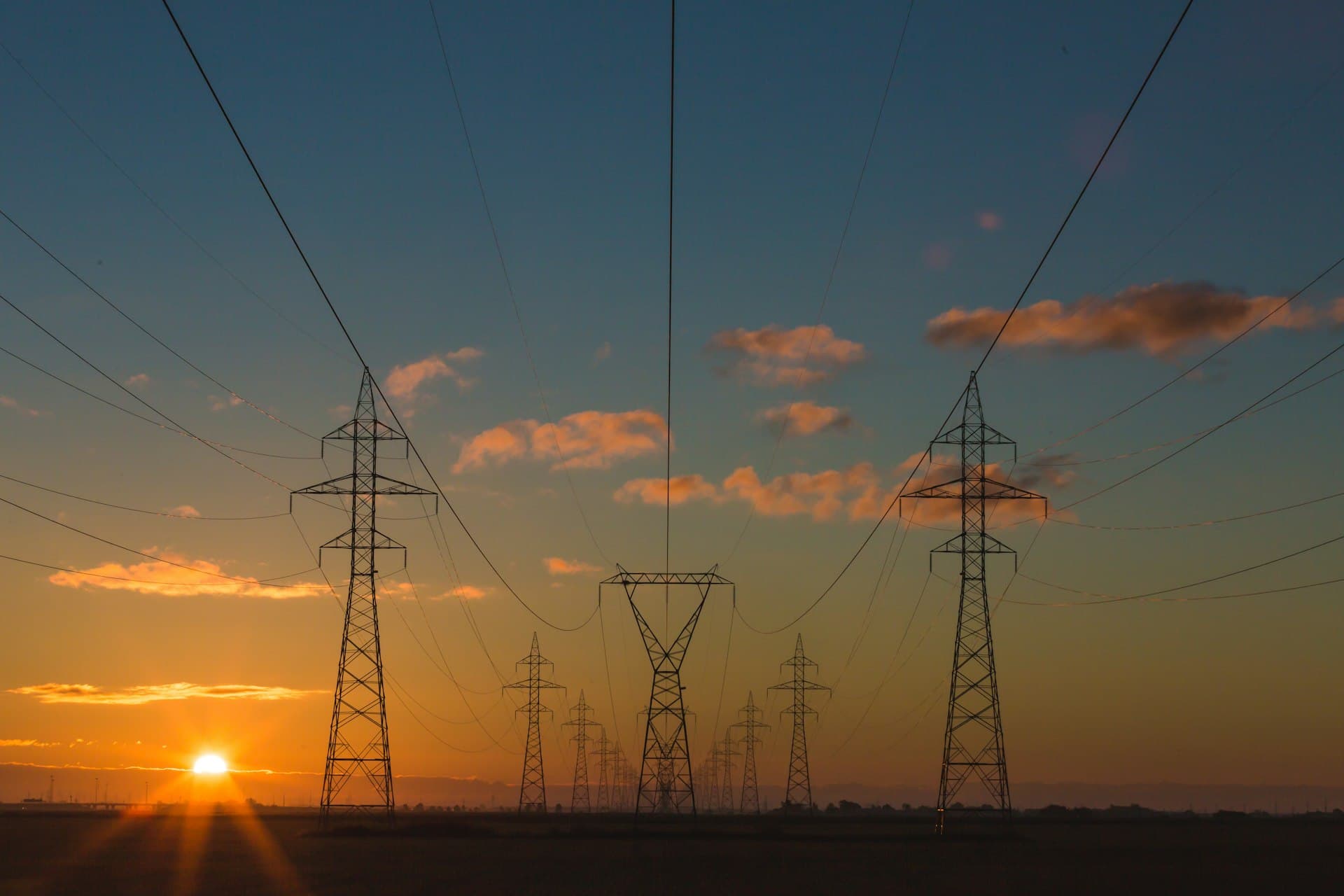
The Electrical sector covers high-voltage transmission, medium and low-voltage distribution, substation automation, switchyard operations, and grid management infrastructure. These systems form the backbone of national power delivery, and their compromise can trigger widespread blackouts, equipment destruction, and cascading failures across interconnected grids. Modern substations increasingly rely on IEC 61850 communication protocols, intelligent electronic devices (IEDs), and remote terminal units (RTUs) connected through wide-area networks. The 2015 and 2016 Ukraine grid attacks demonstrated that adversaries can and will target electrical infrastructure to achieve large-scale disruption.

Securing Electrical Infrastructure
Purpose-built OT cybersecurity strategies designed for the unique systems, protocols, and safety requirements of Electrical operations.
Industrial Control Systems in Electrical
Every sector runs different control system architectures with different protocols, safety requirements, and operational constraints. Securing these systems starts with understanding exactly what they are and how they interact.
Cybersecurity Challenges in This Sector
How Beacon Security Works in Electrical
Grid security operates under constraints that most cybersecurity firms do not understand: protection relay operations measured in milliseconds, GOOSE messages that cannot tolerate any added latency, and substations deployed in locations where the nearest engineer is hours away. We assess substation security by evaluating IEC 61850 network architecture, reviewing IED firmware versions and access configurations, testing RTU credential management, and verifying the integrity of communication links between field sites and the control center. At the transmission level, we map data flows through the Energy Management System, identify unauthorized cross-zone traffic, and evaluate the exposure of wide-area monitoring and automatic generation control functions. Every recommendation accounts for the real-time latency requirements of protection functions and is designed for implementation during planned maintenance windows without risking grid stability.
Services for Electrical
Secure Your Electrical Operations
Discuss your specific OT environment with our team and get a scoped engagement proposal tailored to your sector and systems.
Request a Consultation