
Chemicals
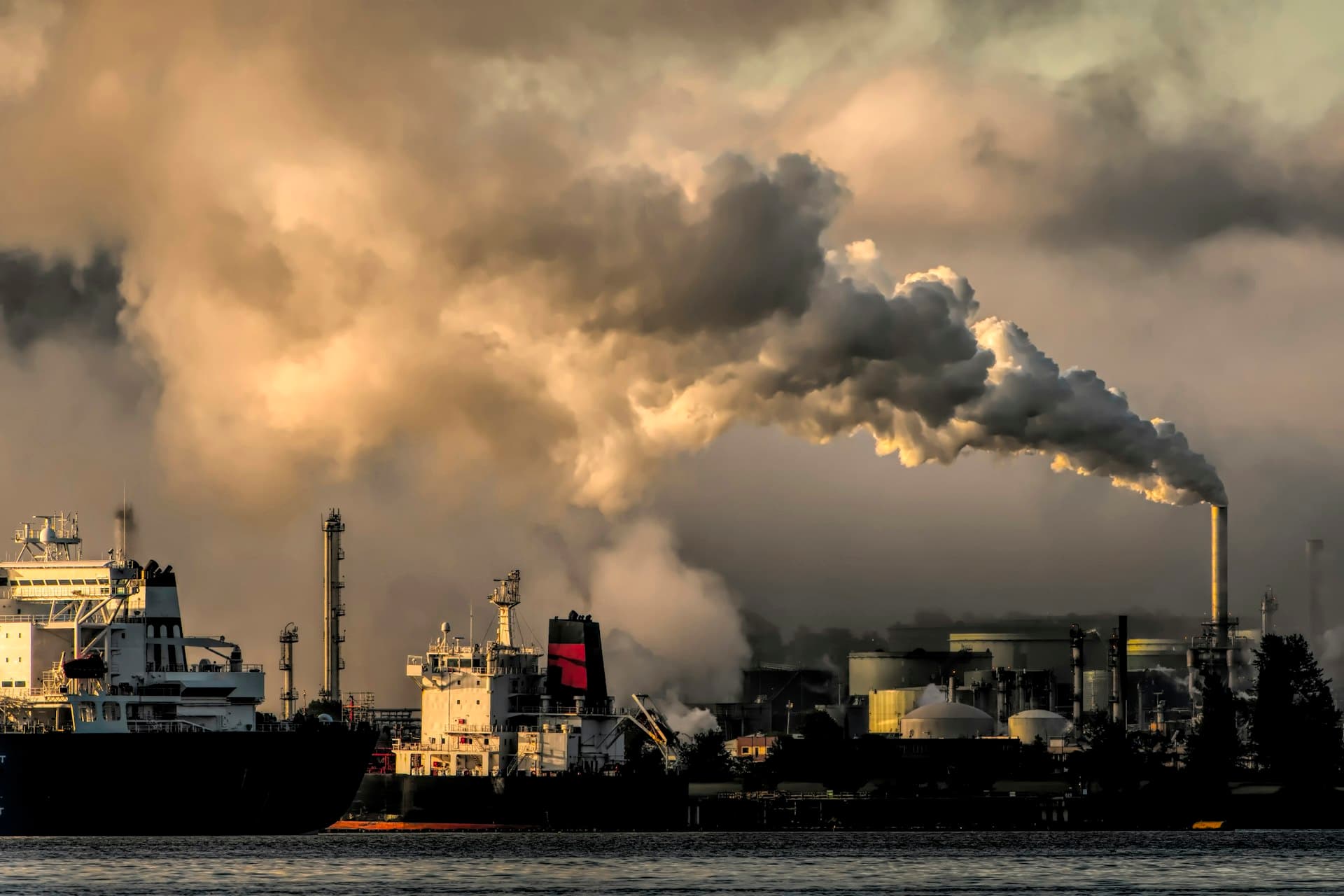
Chemical processing facilities operate at the intersection of cyber risk and physical safety. The processes that produce fertilizers, petrochemicals, specialty chemicals, polymers, and industrial gases involve hazardous materials under extreme temperature and pressure conditions. A cyberattack that manipulates process parameters, disables safety interlocks, or blinds operators to abnormal conditions can trigger explosions, toxic releases, or environmental contamination. The TRITON malware attack on a petrochemical facility demonstrated that adversaries are willing and able to target safety instrumented systems directly. In this sector, cybersecurity is not an IT concern. It is a process safety imperative.
Securing Chemicals Infrastructure
Purpose-built OT cybersecurity strategies designed for the unique systems, protocols, and safety requirements of Chemicals operations.
Industrial Control Systems in Chemicals
Every sector runs different control system architectures with different protocols, safety requirements, and operational constraints. Securing these systems starts with understanding exactly what they are and how they interact.
Cybersecurity Challenges in This Sector
How Beacon Security Works in Chemicals
In chemical facilities, cybersecurity is process safety. A compromised controller that subtly shifts a reactor temperature setpoint or disables an interlock can cause a runaway reaction, a toxic release, or an explosion. That is why SIS protection is the first item on every chemical sector engagement. We verify physical and logical separation between safety instrumented systems and basic process control networks, confirm that no engineering workstation can bridge safety and control zones, and validate safety controller firmware integrity. Beyond SIS, we assess DCS segmentation within process units, evaluate whether historian and MES data flows create paths from the enterprise network into control zones, and review recipe management and batch system security for manipulation risks. All on-site work follows facility safety procedures including hot work permits, confined space protocols, and area classification requirements. Remediation plans are structured around annual turnaround schedules because chemical plants measure unplanned downtime in millions of dollars per day.
Services for Chemicals
Secure Your Chemicals Operations
Discuss your specific OT environment with our team and get a scoped engagement proposal tailored to your sector and systems.
Request a Consultation