
Automotive
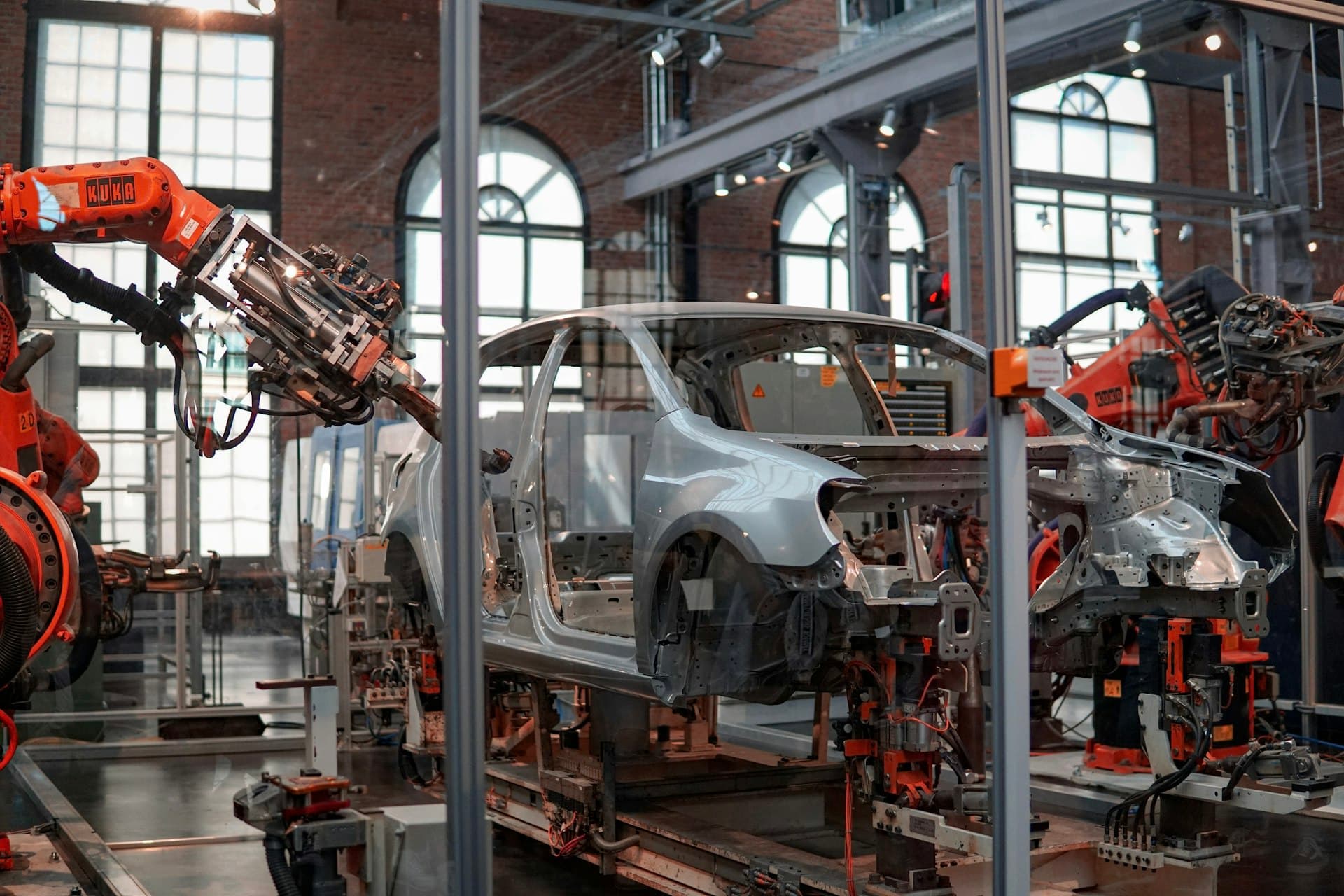
The automotive industry operates highly automated production environments where robotic assembly cells, body shop welding systems, paint shop environmental controls, powertrain machining centers, and final assembly lines are all managed by interconnected OT networks. As electric vehicle production accelerates, new battery manufacturing facilities introduce additional complexity with electrode coating, cell formation, and module assembly processes controlled by specialized automation systems. The just-in-time production model that defines automotive manufacturing means that even hours of unplanned downtime can cascade through the supply chain, halting production at multiple facilities. Automotive OT environments must be secured without compromising the cycle times and production throughput that define operational success.

Securing Automotive Infrastructure
Purpose-built OT cybersecurity strategies designed for the unique systems, protocols, and safety requirements of Automotive operations.
Industrial Control Systems in Automotive
Every sector runs different control system architectures with different protocols, safety requirements, and operational constraints. Securing these systems starts with understanding exactly what they are and how they interact.
Cybersecurity Challenges in This Sector
How Beacon Security Works in Automotive
Automotive production runs on cycle times measured in seconds and just-in-time schedules with zero tolerance for unplanned stops. Our assessments are designed for this reality. We evaluate robotic cell segmentation in body shops to determine whether a compromised welding controller can reach adjacent stamping or assembly lines. In paint shops, we assess environmental control system isolation and PLC access controls that protect formulation parameters. For the growing number of EV battery manufacturing lines, we assess the specialized control architectures behind electrode coating, cell formation, electrolyte filling, and thermal management systems where process precision directly affects product safety. Our passive monitoring captures traffic between shifts without affecting takt time, and we deliver plant-specific risk treatment plans designed for the narrow maintenance windows between production runs. Every recommendation includes implementation steps that production engineering and IT security teams can execute together.

Services for Automotive
Secure Your Automotive Operations
Discuss your specific OT environment with our team and get a scoped engagement proposal tailored to your sector and systems.
Request a Consultation